
 By
By 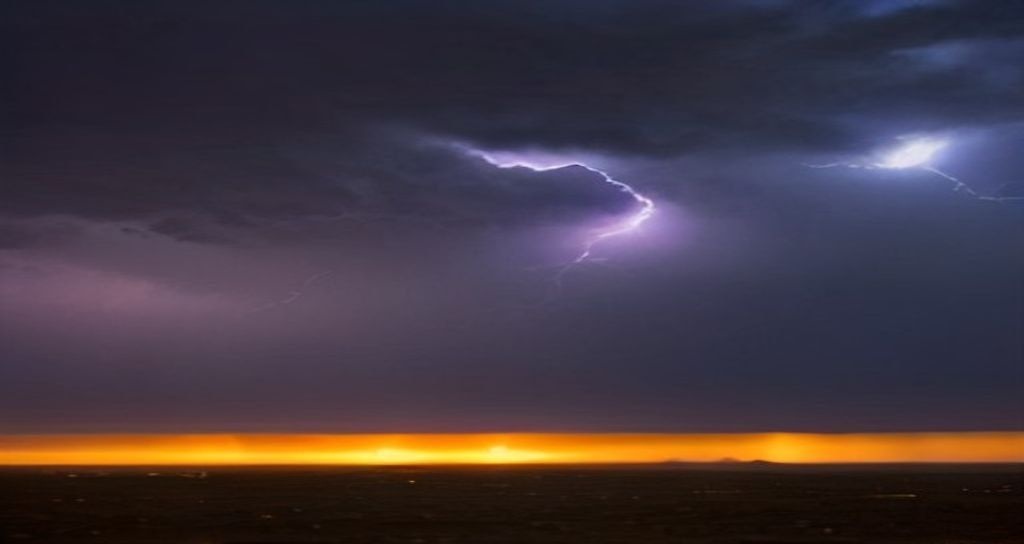
Key Takeaways
- Powerful seasonal monsoon downpours have swept across the Southwestern United States, bringing much-needed moisture.
- According to reporting by The New York Times, the heavy storms have triggered localized flash flooding and transit delays.
- Meteorologists urge residents to remain vigilant as unpredictable desert weather patterns continue to shift.
A vigorous wave of seasonal monsoon weather has swept across the Southwestern United States, bringing a dramatic mix of torrential rainfall, plunging temperatures, and severe lightning displays to parched desert landscapes. As reported by The New York Times, these sudden downpours have provided a welcome break from punishing seasonal heat waves while simultaneously introducing acute environmental hazards, including rapid urban flooding and dangerous driving conditions across key regional corridors.
Emergency management agencies throughout the affected desert sectors have ramped up their readiness levels. While water resource managers celebrate the influx of precipitation to replenish local reservoirs and dampen persistent wildfire risks, municipal leaders are battling the immediate fallout of overwhelmed stormwater systems. Fast-moving currents have transformed routine intersections into impassable waterways, stranding motorists and prompting swift-water rescue operations in low-lying zones.
Understanding the Southwest Monsoon Mechanics
The regional monsoon phenomenon relies on a delicate shift in atmospheric pressure and wind direction, drawing moisture northward from the Gulf of California and the tropical Pacific Ocean. When this humid air mass collides with the intense heat radiating off the Sonoran and Mojave deserts, towering cumulonimbus clouds quickly form. These formations frequently produce high-velocity winds known as haboobs, aggressive lightning strikes, and torrential rain rates that challenge modern urban infrastructure.
According to climatologists cited in initial dispatches from The New York Times, the timing and intensity of these seasonal storms can fluctuate dramatically from one year to the next. Urban centers like Phoenix and Tucson have increasingly invested in green infrastructure and expanded drainage basins to mitigate the risks associated with these sudden, high-volume deluges, yet severe weather events continue to test public safety protocols.
Impact on Transportation and Daily Life
Commuters across the region experienced significant disruptions as highway visibility dropped to near zero during peak storm cells. Commercial airlines operating out of major southwestern hubs reported rolling delays as ground crews paused operations due to lightning safety protocols. Power utility companies mobilized extra line-repair technicians as thousands of residents temporarily lost electrical service following heavy tree limbs falling onto overhead distribution lines.
Despite the logistical challenges, the overarching sentiment among long-term desert residents remains pragmatic. The seasonal moisture serves as a vital ecological reset, lowering seasonal energy demands and fostering a temporary bloom of native desert flora.
Frequently Asked Questions
What causes the seasonal monsoon storms in the Southwest?
The monsoon is driven by a seasonal shift in wind patterns that pulls tropical moisture up from the south, which then interacts with intense desert land heat to form powerful thunderstorms.
Are these storms dangerous for drivers?
Yes. Flash flooding can occur rapidly on desert roadways. Authorities strongly advise motorists never to drive around barricades or attempt to cross flooded washes.