
 By
By 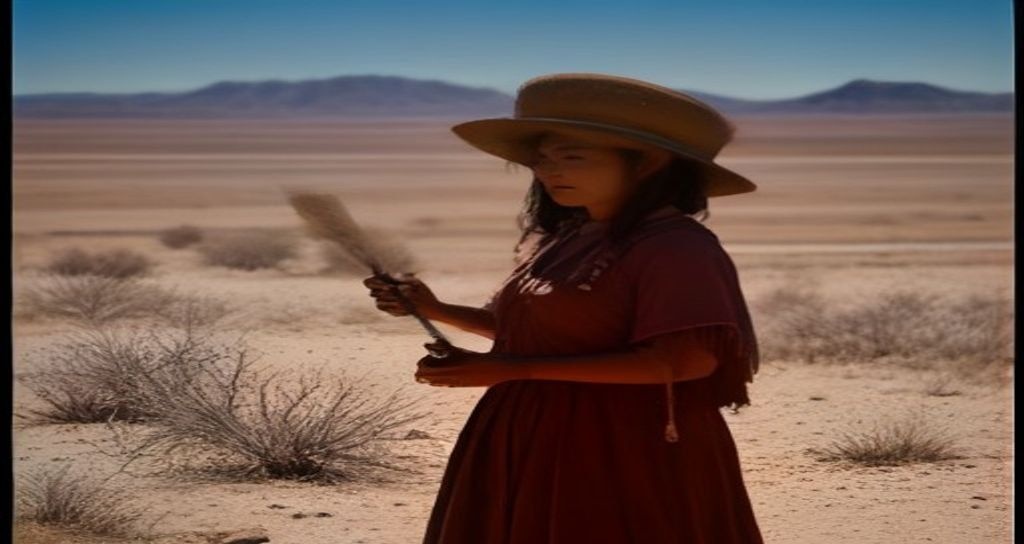
Key Takeaways
- Initial reports and historical archives highlighted by KJZZ shed light on the rigorous day-to-day existence of early female settlers in Arizona.
- Pioneering women managed arduous domestic duties, agricultural responsibilities, and community building amid harsh desert climates.
- Historical documentation reveals that these women played an indispensable role in shaping the social and economic foundation of the territory.
The historical narrative of the American West has long been dominated by tales of rugged cowboys, fearless outlaws, and ambitious prospectors. However, recent historical spotlights – including deep-dive features from KJZZ – are bringing a much-needed perspective to the forefront: the daily realities of the women who helped forge early Arizona. Far from the romanticized tropes of frontier fiction, these individuals faced a daily grind defined by extreme environmental adversity, relentless physical labor, and profound resilience.
Surviving in the arid Arizona territory required extraordinary adaptability. According to historical records examined by public broadcasting reports, a typical day for an early female settler began before dawn and stretched well past sunset. Responsibilities ranged from securing scarce water supplies and maintaining homesteads to tending livestock and managing family health without the benefit of modern medicine or infrastructure.
Forging Communities in the Harsh Desert Landscape
Beyond domestic survival, these women were vital architects of early Arizona communities. Historical accounts emphasize that churches, schools, and civic organizations frequently materialized through the sheer organizational willpower and determination of female pioneers. They established networks of mutual aid that sustained mining camps, farming communities, and burgeoning towns across the desert landscape.
Moreover, the economic contributions of these women were substantial. Many operated boarding houses, ran family farms independently while spouses worked distant claims, or engaged in local commerce. Their efforts provided the stability necessary for transient frontier settlements to transform into permanent, thriving municipalities.
Challenging Traditional Frontier Narratives
Historians note that studying the primary source documents – diaries, letters, and local archival records – offers a complex picture of gender roles on the frontier. While societal expectations of the era often relegated women to the private sphere, the physical realities of the Arizona territory frequently shattered those boundaries. Necessity forced women to adopt diverse roles, blurring the lines between traditional labor divisions.
By re-examining these foundational figures through contemporary historical reporting, modern audiences gain a richer, more accurate understanding of the state’s roots. The legacy of Arizona’s early women is one of grit, ingenuity, and foundational community leadership that continues to influence the region’s cultural identity today.
Frequently Asked Questions
What was daily life like for women in early Arizona?
Daily life involved relentless labor, including managing scarce water, maintaining homesteads, raising food, and supporting community infrastructure under extreme climatic conditions.
Where can I learn more about Arizona’s pioneer women?
Archives from organizations like KJZZ, alongside local historical societies and state libraries, offer extensive collections of diaries, photographs, and research on early Arizona settlers.