
 By
Key Takeaways
- Initial environmental testing data from the U.S. Army’s lead azide detonation in Iowa is imminent.
- According to Regional & National News Wire, federal regulators and contractors collected over 1,500 samples.
- Testing covers vital environmental metrics including local air, water, soil, and dust composition.
Environmental regulatory officials announced that preliminary laboratory findings stemming from the military’s destruction of a hazardous explosive stockpile in the Midwest are slated for release imminently. According to initial reports from Regional & National News Wire, federal oversight teams expect the first batch of comprehensive environmental metrics to arrive shortly following the controlled detonation.
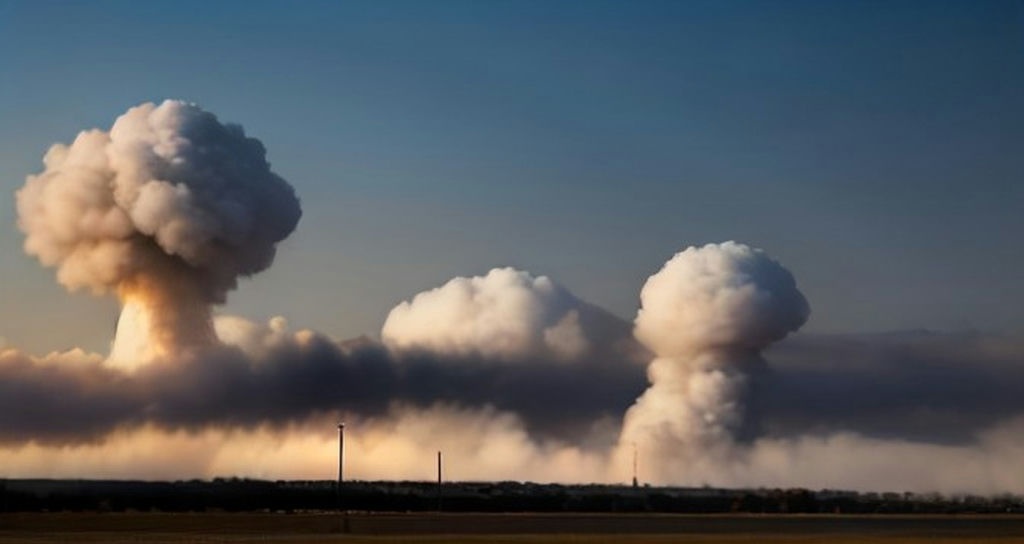
The operation, executed by the U.S. Army, involved disposing of volatile lead azide materials. In response to public safety concerns and environmental protection mandates, specialized personnel from the U.S. Environmental Protection Agency (EPA) deployed alongside contracted specialists to monitor the surrounding ecosystem closely.
Rigorous Testing Protocol Implemented
To ensure absolute transparency and public safety, oversight authorities established a robust monitoring network across the affected region. Field teams implemented strict sampling protocols, gathering a massive data pool consisting of more than 1,500 distinct samples.
These samples encompass multiple environmental vectors to detect any potential residue or particulate dispersion. Technicians targeted air quality indexes, local water sources, agricultural and native soil compositions, and surface dust accumulation. Such a comprehensive suite of testing is designed to capture a complete picture of the detonation’s localized impact.
Understanding Lead Azide and Environmental Risks
Lead azide is a notoriously sensitive and powerful primary explosive compound frequently utilized in military detonators and initiation mechanisms. Because of its hazardous chemical nature and the toxicity associated with heavy metal lead compounds, containment and safe disposal require meticulous engineering and strict regulatory surveillance.
Public interest groups and local residents have closely followed the military’s remediation efforts. The upcoming release of the EPA’s analytical results will serve as a critical benchmark for determining whether the containment strategies successfully prevented harmful environmental contamination.
Frequently Asked Questions
What was detonated in Iowa by the U.S. Army?
The U.S. Army conducted a controlled destruction of a specialized military stockpile containing lead azide, a high-sensitivity explosive compound.
What kind of testing is the EPA conducting?
According to Regional & National News Wire, EPA personnel and contractors collected over 1,500 individual samples focusing on local air, water, soil, and dust conditions.