
 By
By 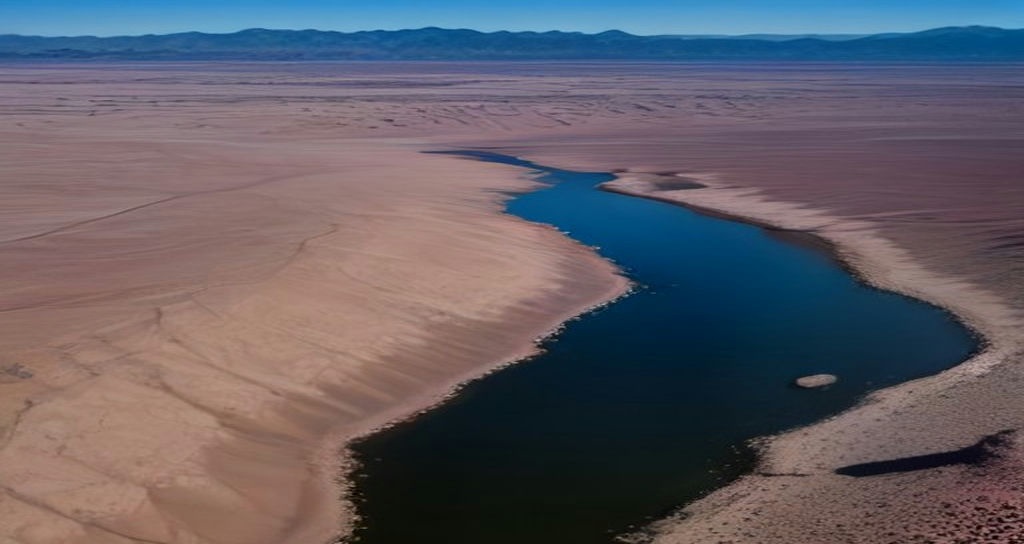
Key Takeaways
- Water availability and drought resilience have emerged as decisive policy priorities for Arizona voters heading into the voting booth.
- Rapid suburban growth and decades-long megadrought conditions along the Colorado River basin have amplified public concern across both urban and rural districts.
- State and local candidates face unprecedented pressure to present actionable proposals on groundwater management and conservation.
Across the desert Southwest, the traditional political playbook is undergoing a structural realignment. In Arizona, where blistering summers and tightening Colorado River allocations dominate daily realities, voters are increasingly treating water management not as a bureaucratic niche, but as a central criterion for selecting public officials.
According to field reporting and voter surveys highlighted by PBS, residents across diverse socioeconomic sectors are voicing heightened anxieties over long-term municipal water supplies. From fast-growing suburbs in the Phoenix metropolitan area to generational agricultural communities in Pinal and Cochise counties, the question of whether the state can sustain its breakneck expansion has become an urgent electoral litmus test.
The Intersection of Rapid Growth and Shrinking Basins
For decades, Arizona balanced explosive population growth through aggressive engineering, subterranean storage banks, and the landmark 1980 Groundwater Management Act. However, structural deficits along the Colorado River system – compounded by prolonged aridification – have forced painful mandatory cutbacks in Central Arizona Project allocations.
As state hydrologists published revised modeling showing groundwater deficits in certain outlying Active Management Areas (AMAs), real estate development restrictions took effect, barring new subdivisions that cannot prove a guaranteed 100-year water supply. As reported by PBS, these regulatory curbs have transformed abstract environmental concerns into immediate kitchen-table economic debates, leaving prospective homebuyers and longtime homeowners questioning the stability of local infrastructure.
Rural Vulnerability and Groundwater Depletion
While urban centers possess diversified water portfolios, rural Arizona faces a distinct set of challenges. Unregulated pumping in non-AMA rural basins by large-scale agricultural enterprises and foreign-owned dairy operations has lowered water tables substantially, forcing domestic well owners to spend thousands of dollars deepening dry wells.
Voter sentiment in rural regions has consequently hardened. Constituents are openly demanding legislative overhauls that establish local groundwater protections without penalizing family-run ranches or stunting rural economic vitality.
A Rare Cross-Partisan Consensus
Water scarcity carries a unique political footprint in a battleground state often defined by polarized discourse. Unlike many nationalized wedge issues, water conservation cuts across conventional partisan boundaries. Republican and Democratic voters alike acknowledge that economic development, high-tech manufacturing investments, and property values hinge upon transparent water stewardship.
Campaigns across municipal, legislative, and statewide contests are being forced to adapt. Candidates can no longer rely on vague pledges of “innovation” or future federal bailouts. Voters want detailed policy stances regarding interstate river negotiations, wastewater recycling initiatives, brackish desalination feasibility, and the enforcement of agricultural irrigation efficiency standards.
Frequently Asked Questions
Why has water supply become such an urgent election priority in Arizona?
Persistent regional drought, tier-level delivery reductions from the Colorado River, and recent state findings regarding groundwater deficits in expanding suburban corridors have made water security an immediate economic, housing, and environmental issue for residents.
What key water policies are voters and officials debating?
Debates focus on whether to expand Active Management Areas to protect unregulated rural aquifers, how to fund advanced water purification and recycling facilities, and how Arizona should negotiate post-2026 Colorado River operating guidelines with neighboring western states.