 By
Key Takeaways
- Chiricahua National Monument has officially gained full national park status after federal legislation was signed into law.
- The southern Arizona site becomes the state’s fourth official national park, joining the Grand Canyon, Saguaro, and Petrified Forest.
- Civic leaders and regional businesses anticipate a substantial rise in ecotourism and economic momentum across Cochise County.
In a historic milestone for conservation and public lands across the Southwest, Chiricahua National Monument has officially been redesignated as a national park. The formal transition follows the signing of the Chiricahua National Park Act into federal law, securing the destination’s place as Arizona’s fourth full-fledged national park.
According to initial reporting from ABC15 Arizona, the measure marks the culmination of a years-long bipartisan campaign championed by Arizona’s congressional delegation, regional conservation groups, and local municipal leaders in Cochise County. The elevated status is expected to shine an international spotlight on one of the desert Southwest’s most distinct geological landscapes.
A Century-Long Journey to National Park Standing
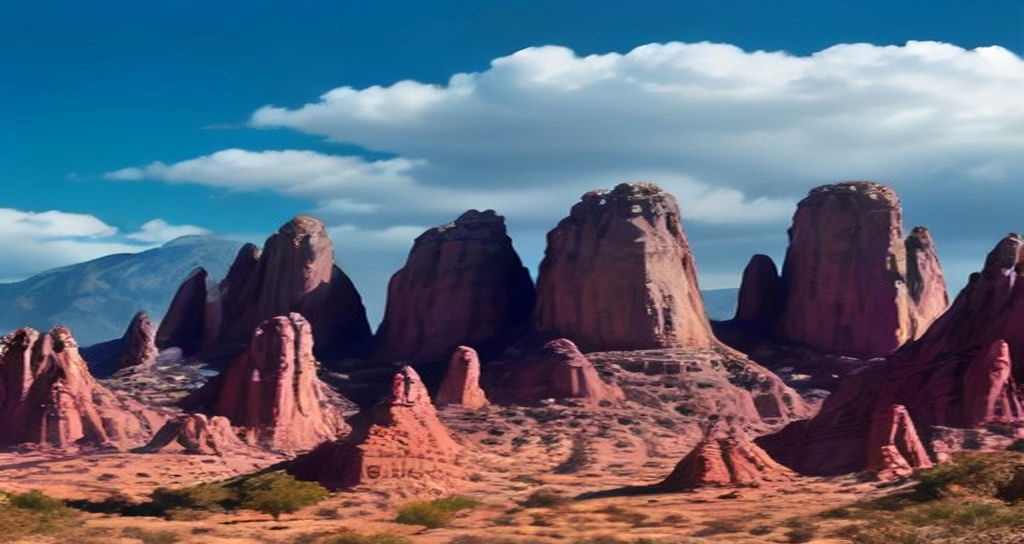
First established as a national monument by President Calvin Coolidge in 1924, Chiricahua has captured the imagination of travelers and geologists for over a century. Tucked inside the Chiricahua Mountains near Willcox, the roughly 12,000-acre sanctuary is renowned for its towering rhyolite rock spires, precariously balanced boulders, and extensive trail networks often referred to as the “Wonderland of Rocks.”
The site represents a unique convergence of ecosystems, serving as a critical habitat within the Madrean Sky Islands. Here, wildlife species from the Rocky Mountains, the Sierra Madre of Mexico, and the Sonoran and Chihuahuan deserts intersect, creating an extraordinarily rich corridor of biodiversity that naturalists have long fought to safeguard.
Economic and Tourism Ripple Effects for Southern Arizona
The redesignation is expected to deliver tangible financial benefits to southeastern Arizona communities. Research by outdoor industry economists consistently demonstrates that national park designation brings an immediate surge in visibility, drawing travelers who specifically plan vacations around visiting official national parks.
Business operators in nearby towns like Willcox, Benson, and Bisbee are preparing for an influx of domestic and international visitors. Hospitality providers, regional wineries, and outdoor outfitters anticipate that the national park branding will turn what has historically been a hidden gem into a flagship road-trip stop alongside southern Arizona’s existing attractions.
Joining an Elite Arizona Roster
Prior to the bill’s passage, Arizona was home to three premier national parks: Grand Canyon National Park (established in 1919), Petrified Forest National Park (established in 1962), and Saguaro National Park (elevated from monument status in 1994). Chiricahua’s addition marks the first time in three decades that Arizona has added a new national park to its ledger.
State tourism officials note that while the park’s administrative boundaries and fee structures will largely remain stable under National Park Service management, federal funding opportunities for infrastructure maintenance, interpretive programs, and habitat protection typically expand following a redesignation.
Frequently Asked Questions
Where is Chiricahua National Park located?
Chiricahua National Park is situated in Cochise County in southeastern Arizona, roughly 35 miles southeast of Willcox and approximately 100 miles east of Tucson. Visitors can access the park via Arizona State Route 186.
What other National Parks are in Arizona?
Arizona is now home to four national parks: Grand Canyon National Park, Saguaro National Park near Tucson, Petrified Forest National Park in northeastern Arizona, and Chiricahua National Park in Cochise County.