 By
By 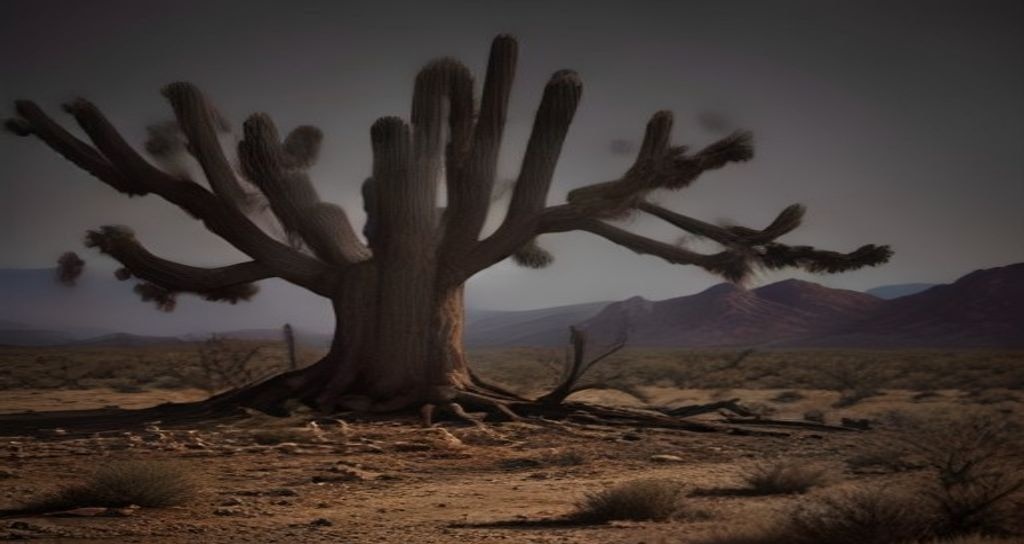
Key Takeaways
- Federal border agents demolished a historic desert tree that served as an extended protest site for activists.
- According to initial reports from The Washington Post, the ancient mesquite had supported environmental demonstrators for months.
- The removal has sparked intense debate over federal authority, environmental preservation, and border security infrastructure.
Environmental activists and local community members in Arizona are reeling following a controversial federal operation that brought down a historic desert tree. For months, demonstrators had utilized the ancient specimen – affectionately dubbed a ‘grandmother’ tree – as an elevated sanctuary to protest regional border enforcement activities and environmental degradation.
Initial investigations and reporting from The Washington Post detail how federal border personnel moved in to clear the area, ultimately felling the landmark structure despite vocal opposition from preservationists who viewed the flora as an irreplaceable ecological and cultural monument.
The Intersection of Ecology and Border Security
The remote desert landscapes along the international boundary often become flashpoints where national security mandates collide with fragile ecosystems. The centuries-old tree provided vital shade, stability, and wildlife habitat in an otherwise harsh environment, compounding the sorrow felt by local advocates who fought to protect it.
Critics of the federal action argue that the destruction was heavy-handed and disregarded the deep emotional and ecological significance the landmark held for the local community. Conversely, federal representatives have maintained that operational safety, access requirements, and the integrity of border enforcement zones necessitated clearing the impediment.
Fallout and Future Implications
As the dust settles on the controversial demolition, legal experts and environmental watchdogs are examining the broader implications of federal property management within sensitive border regions. While authorities retain broad powers to maintain security infrastructure, community leaders are calling for greater transparency and dialogue before historical natural assets are permanently erased.
The incident underscores the ongoing tensions in the American Southwest, where the physical transformation of the border frequently disturbs both natural habitats and the communities that cherish them.
Frequently Asked Questions
Why was the tree significant to activists?
The ancient desert tree served as a months-long protest hub where environmentalists staged demonstrations against regional border policies and advocated for ecological preservation.
What justification did authorities provide?
Federal officials cited operational necessity and security access requirements along the border zone as the primary reasons for clearing the landmark.