 By
By 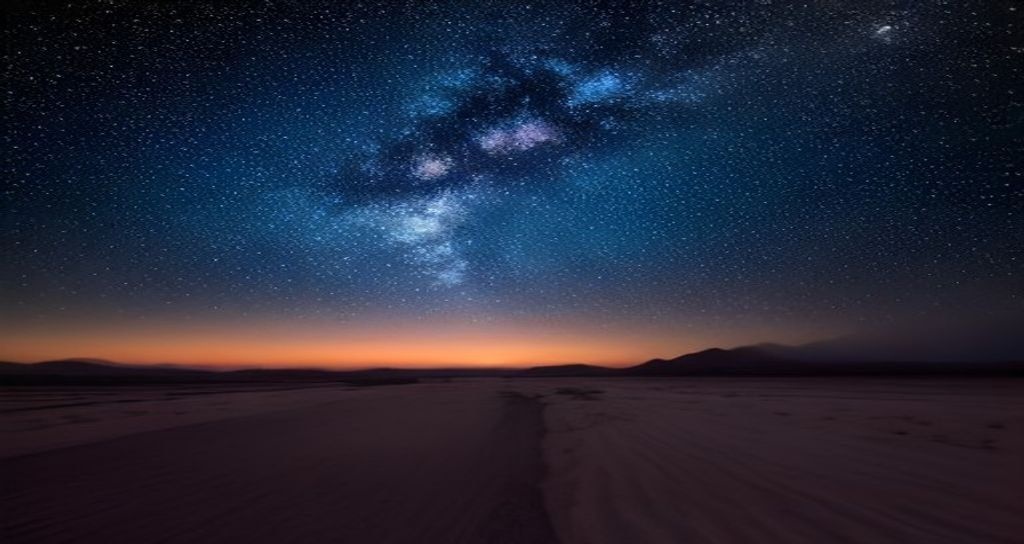
Key Takeaways
- Stargazers have a final fleeting opportunity this season to view the galactic core of the Milky Way over Arizona.
- According to reporting by azcentral.com and The Arizona Republic, autumn shifts and longer nights are quickly closing the celestial viewing window.
- Dark-sky preserves across the Grand Canyon State offer the best vantage points away from urban light pollution.
Stargazing enthusiasts across the Grand Canyon State are facing their final opportunity of the season to witness the breathtaking brilliance of the Milky Way’s galactic center. As autumn progresses, Earth’s orbital trajectory shifts our view away from the dense, dust-filled heart of our galaxy, bringing a temporary close to one of nature’s most dazzling astronomical displays.
According to detailed insights published by azcentral.com and The Arizona Republic, the coming weeks represent the absolute last call for local astrophotographers and casual skywatchers to capture the brilliant core of the Milky Way before it dips below the western horizon during evening hours.
Why Arizona is a Prime Destination for Stargazing
Arizona has long earned a stellar international reputation as a haven for astronomy. Thanks to the state’s vast arid expanses, high elevations, and stringent local lighting ordinances, numerous regions boast exceptional dark-sky conditions. From the internationally recognized Dark Sky Park at Oracle State Park to the sprawling vistas of the high plateau near Flagstaff, residents and visitors alike enjoy unparalleled access to the cosmos.
Experts emphasize that viewing the galactic center requires escaping the luminous glow of urban centers like Phoenix and Tucson. Even a short drive into the surrounding desert or national forests can dramatically improve visibility, allowing the faint nebulae and glittering star clusters of the Milky Way to reveal themselves to the naked eye.
Tips for Catching the Final Galactic Views
To maximize your chances of catching this seasonal spectacle before it disappears until next spring, consider the following recommendations:
- Check the Lunar Calendar: Plan your viewing session around a new moon to avoid competing moonlight washing out faint celestial details.
- Allow for Dark Adaptation: Give your eyes at least 20 to 30 minutes to adjust completely to the darkness, and avoid looking at bright smartphone screens.
- Utilize Astronomy Apps: Digital tools can help pinpoint the exact location of the galactic core just after sunset as twilight fades.
Frequently Asked Questions
When is the best time of night to see the Milky Way in Arizona?
The optimal viewing window typically occurs right after astronomical twilight ends, usually a couple of hours after sunset, when the southern and western skies are completely dark and the galactic core is still positioned above the horizon.
When will the Milky Way core be visible again in Arizona skies?
The galactic center temporarily disappears from evening visibility during late autumn and winter due to the Earth’s position relative to the sun. It typically returns to the morning predawn skies by early spring.