
 By
Key Takeaways
- United States forces carried out targeted defensive operations against Iranian assets in the Strait of Hormuz.
- Rising crude oil costs and economic fallout pose significant challenges for congressional incumbents.
- Voters nationwide, including those in Arizona, are feeling the pinch at the gasoline pump as midterms approach.
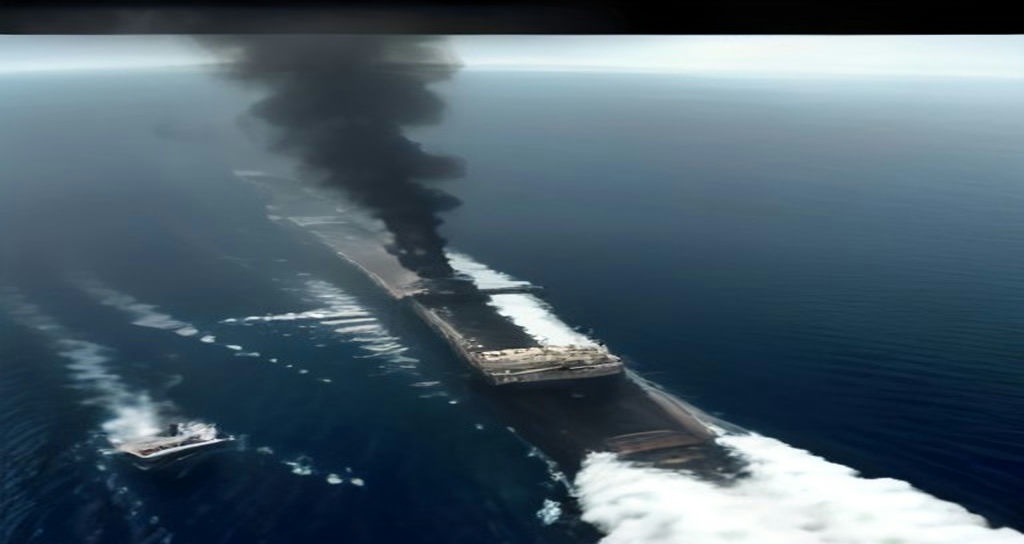
Recent military actions by the United States military targeting Iranian positions in the strategic Strait of Hormuz have ignited widespread economic and political repercussions. According to initial reports from Regional & National News Wire, the defensive engagements were authorized to protect vital shipping lanes, yet they immediately reverberated through global energy markets and domestic politics alike.
As petroleum values fluctuate in response to the escalating Middle Eastern tensions, everyday consumers are absorbing the shock. Drivers across the country are facing mounting financial pressure at local filling stations, turning a foreign policy crisis into a deeply personal domestic issue just as legislative campaigns intensify.
Political Vulnerabilities for Congressional Incumbents
The unfolding situation presents a formidable hurdle for political strategists and lawmakers. According to insights shared by Regional & National News Wire, the friction surrounding the ongoing military engagements with Iran has exposed a key vulnerability for incumbent leaders striving to maintain their majorities in Congress. Voters increasingly connect escalating pump prices directly to foreign interventions, creating an uphill battle for candidates defending their legislative records.
With economic anxiety compounding voter dissatisfaction, local campaigns find themselves pivoting constantly to address cost-of-living concerns. Political analysts note that constituents prioritizing family budgets are less forgiving of geopolitical friction that disrupts domestic financial stability.
Economic Ripples Reach Main Street
Beyond the immediate political landscape, the broader U.S. economy continues to digest the secondary effects of restricted maritime traffic and energy supply concerns. Small businesses and logistics networks dependent on fuel efficiency are absorbing tighter margins, further complicating a delicate national financial recovery.
Financial experts emphasize that prolonged instability in critical waterways like the Strait of Hormuz inevitably translates into higher costs for goods and services across all sectors, intensifying inflationary pressures that have weighed on consumers for months.
Frequently Asked Questions
Why did the U.S. execute defensive strikes in the Strait of Hormuz?
According to updates from Regional & National News Wire, the military actions were ordered to safeguard international shipping lanes and neutralize imminent threats to American assets operating in the region.
How do these military operations impact gas prices?
Conflict or instability in the Strait of Hormuz – a crucial artery for global oil transit – often triggers supply fears, driving up crude oil futures and subsequently raising prices at local service stations.